For the Maasai of East Africa, jewelry is not decoration; it is biography, worn on the body for the world to read.
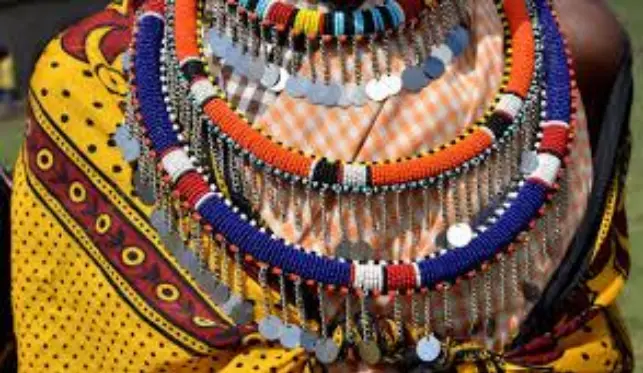
Walk through any Maasai community in Kenya, and you will notice something striking: Everyone is adorned. Bright beaded collars, copper coils, layered wristbands.
The Cultural Significance of Maasai Jewelry
Yet none of it is random. Each piece carries a precise social meaning as to who you are, where you stand in life, and what you have earned.
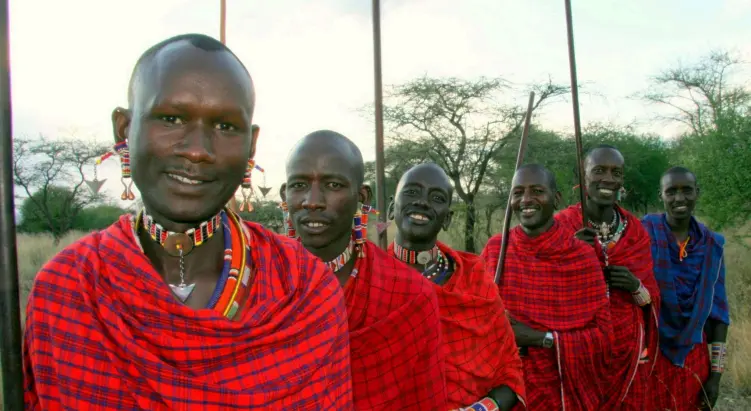
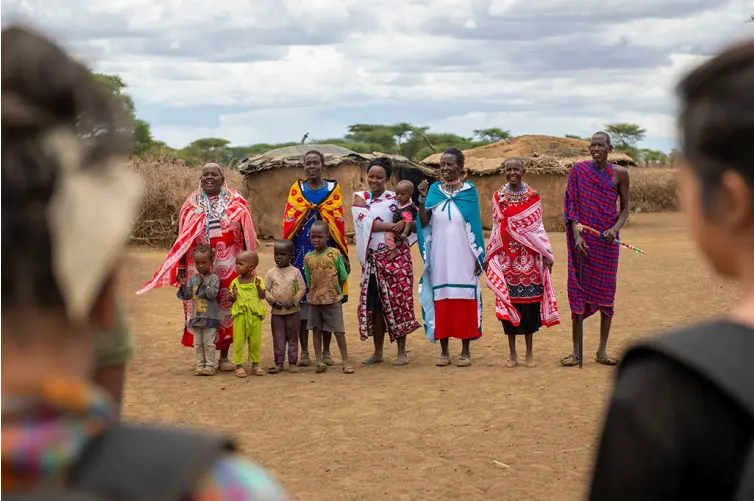
Maasai tribe
Maasai jewelry began with what the land offered. Women shaped beads from clay, bone, and seeds, dyeing them by hand in earthy hues.
Everything changed in the 19th century when European trade routes brought colored glass beads to the region. Italian glass came first, followed by Czech glass, which remains a prized material in fine pieces today.
The craft absorbed these foreign materials without losing its identity as a testament to how deeply rooted its purpose is. Every hue in a Maasai piece is intentional, drawn from the world of cattle that sustains the community.
Traditional Beaded Jewelry of the Maasai People
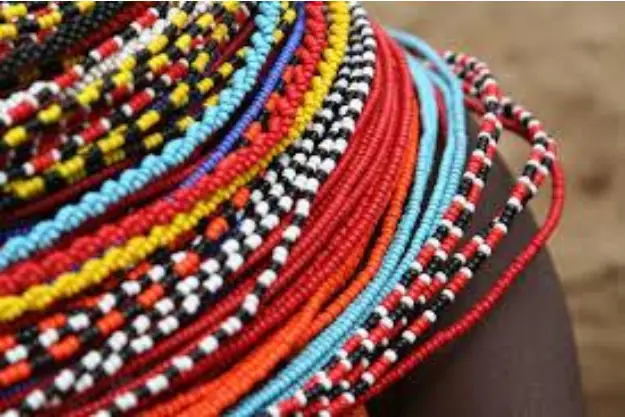
Red stands for bravery, strength, and unity, while also symbolizing the blood of cattle, sacred and vital to Maasai life. Red is deeply tied to Maasai identity and holds the strongest cultural connection of all the colours. Blue captures the energy of the sky, which delivers the rain that sustains cattle, crops, and people alike. Given how scarce water can be, blue carries a deeper meaning of vitality and survival. Green reflects the Maasai’s profound bond with the Earth and the natural world, representing health and the land itself. Healthy land means healthy cattle, and in turn, a thriving Maasai community. Yellow is the colour of fertility and growth, closely associated with the sun and its power to nurture and sustain all forms of life. White conveys peace, purity, and good health and is also a symbol of cow’s milk, a cornerstone of Maasai culture and a daily dietary staple. Black speaks to the identity and pride of the Maasai people, representing them and the hardships they endure. It carries significance in daily life, as it is commonly worn by married men and women as a marker of their marital status. Orange symbolizes hospitality, warmth, and friendship—essential values at the heart of Maasai culture.
Traditional Beaded Jewelry of the Maasai People
Maasai Life Stages and Jewelry
Women are the primary makers of this craft, and they are also its subjects.
Each stage of a woman’s life is marked by a specific piece.
Engagement – A necklace of two intertwined beaded strands,
symbolizing the union ahead.
Wedding – A wide collar necklace, handmade by the bride’s mother.
Married women – The Surutia, a copper coil worn around the neck,
marks marital status and social standing.
For young men, the journey to warriorhood carries its own visual language.
Known as Sipolio, these boys wear black cloaks and white face paint throughout
their transition into manhood, marking the passage for all to witness.
Maasai People
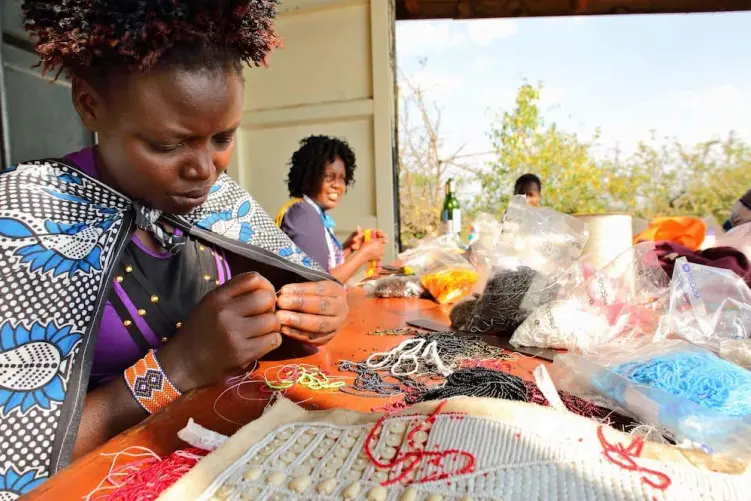
Women gather in Vikoba community self-help groups to create these pieces together, keeping both skills and social bonds alive across generations.
Ladies at The Maa Trust are earning an income through the making of beaded products.
Today, Maasai artistry is stepping into new spaces. Traditional walking sticks, Once tools of the savanna, they are being sanded smooth and wrapped in intricate beadwork to become decorative pieces for global homes.
The aesthetic travels far from craft markets to international design fairs, but the meaning it carries travels with it beautifully.
Image credits: Maasai.com, The Maa Trust, and Asilia Africa
 MASH
MASH