
African jewellery is deeply symbolic, used to express identity, spirituality, status, and storytelling across diverse cultures. This expanded list captures a wide geographic and cultural spread, with each type carrying distinct meaning and craftsmanship.
1. Maasai Beaded Jewellery (East Africa)
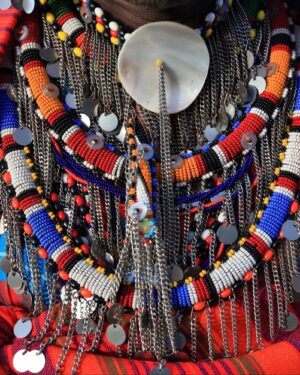
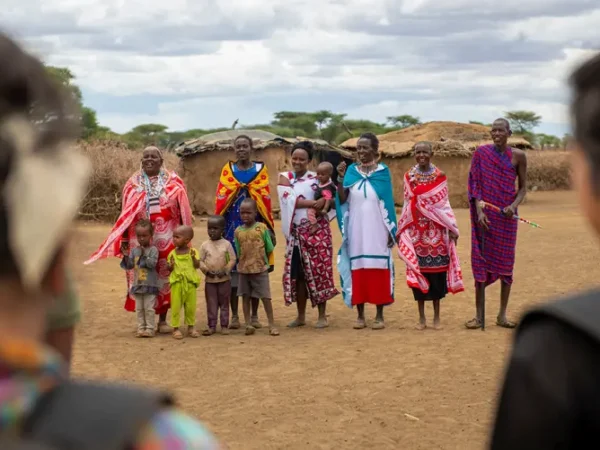
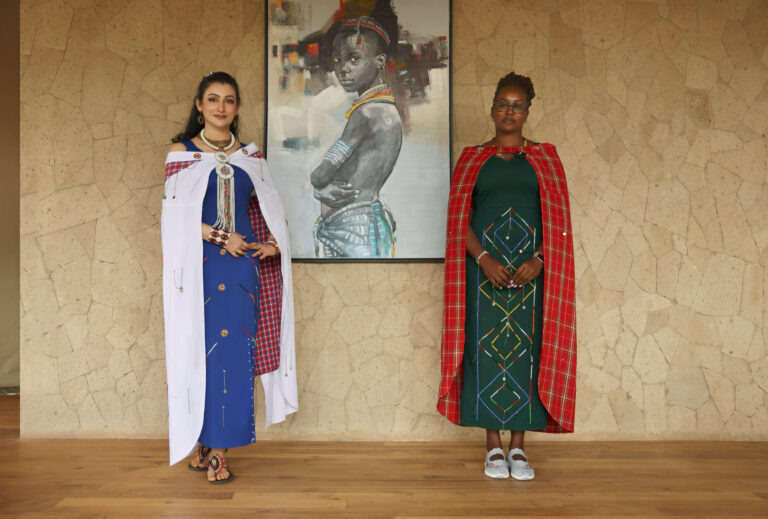
Highly vibrant beadwork worn as collars, necklaces, and earrings by the Maasai community. Each color carries meaning—red for bravery, blue for energy, white for purity, and more. Patterns and arrangements communicate age, marital status, and social position. Traditionally handcrafted by women, the pieces are central to ceremonies and identity. They function as both adornment and a visual language within the community.
2. Tuareg Silver Jewellery (North/West Africa)
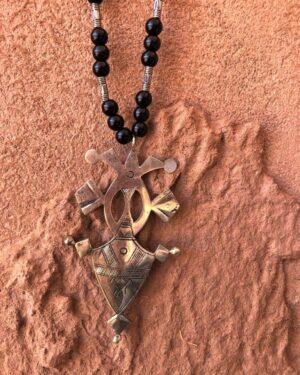
Crafted by Tuareg artisans, these silver pieces feature precise geometric engravings. The iconic Agadez cross is both decorative and symbolic of heritage and direction. Often worn as protective amulets, they carry spiritual and cultural significance. Jewellery is traditionally passed down through generations as a family asset. The use of silver over gold reflects cultural beliefs tied to purity and value.
3. Fulani Gold Jewellery (West Africa)
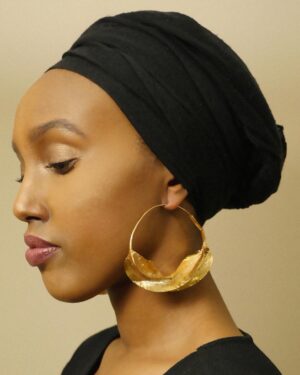
Known for oversized gold earrings and bold adornments, especially among Fulani women. These pieces are often worn during weddings and major cultural celebrations. They symbolize wealth, femininity, and the prestige of a family. The scale and craftsmanship reflect both artistry and social standing. Gold jewellery is also seen as a form of portable wealth and inheritance.
4. Ndebele Neck Rings & Beadwork (Southern Africa)
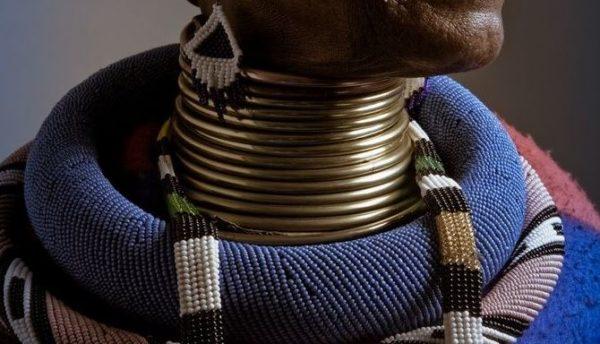
Stacked brass neck rings, known as “idzila,” are worn by married Ndebele women. They are paired with bold, geometric beadwork in striking color combinations. These adornments signify marital status, prosperity, and commitment. The longer and more elaborate the rings, the higher the perceived status. Together, they form a strong visual identity tied to Ndebele culture and pride.
5. Ashanti Gold Jewellery (Ghana, West Africa)
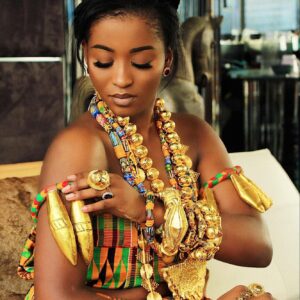
Richly detailed gold ornaments historically worn by Ashanti royalty and elites. Gold is considered sacred and associated with the soul and spiritual power. Designs often incorporate symbols based on proverbs and philosophical ideas. Pieces are worn during ceremonies, reinforcing authority and lineage. They represent not just wealth, but wisdom, leadership, and cultural continuity.
6. Berber (Amazigh) Jewellery (North Africa)
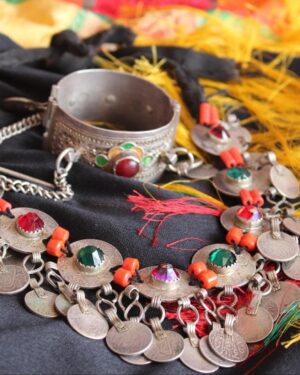
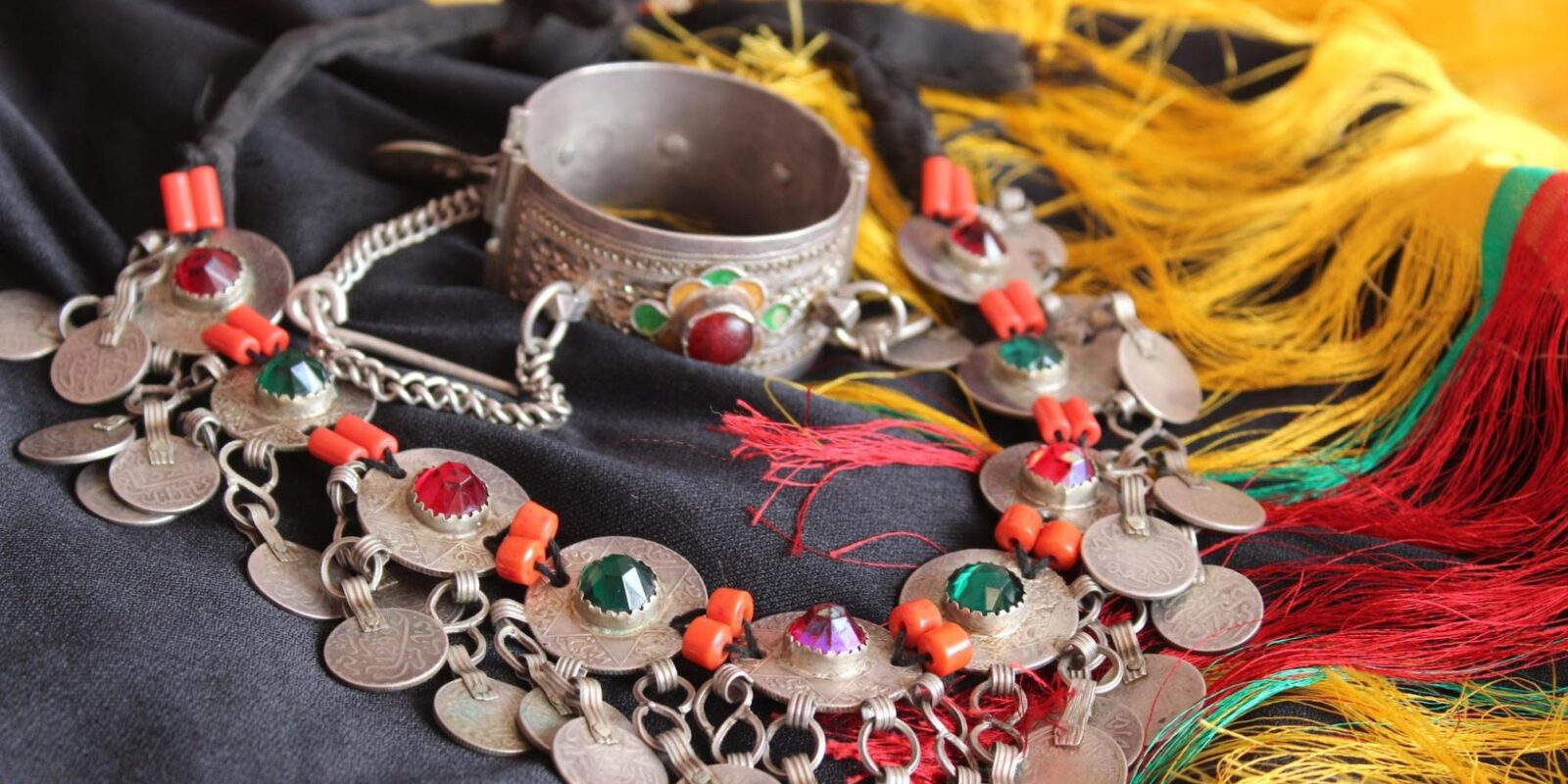
Bold silver jewellery featuring enamel work, coral, and turquoise stones. Worn by Amazigh (Berber) women, often as part of traditional dress. These pieces act as protective talismans against negative energies. Each design reflects tribal identity, region, and personal status. They also serve as a form of portable wealth and cultural storytelling.
7. Zulu Beaded Love Letters (Southern Africa)
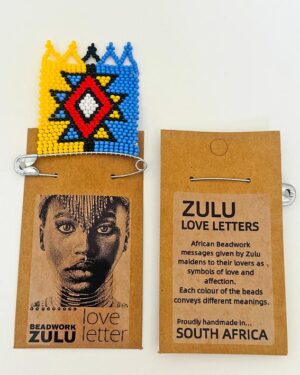
Delicate beadwork used to communicate romantic messages through patterns. Colors are coded—each representing emotions like love, longing, or rejection. Often exchanged between partners, especially in courtship traditions. The jewellery becomes a form of non-verbal storytelling and expression. It reflects the creativity and emotional depth of Zulu cultural practices.
8. Yoruba Coral Bead Jewellery (Nigeria, West Africa)
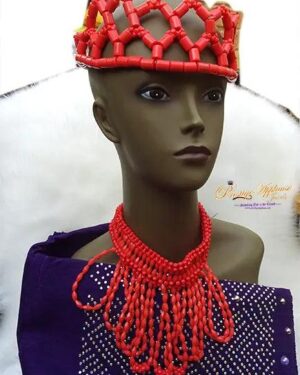
Luxurious coral bead regalia worn by kings (Obas) and high-ranking individuals. These beads are rare and historically sourced from trade routes. They symbolize authority, lineage, and divine connection. Often worn in elaborate layers during ceremonies and royal events. The visual richness reinforces power and cultural hierarchy.
9. Himba Shell & Iron Jewellery (Namibia)
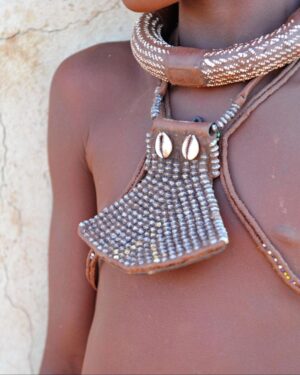
Crafted from shells, iron, and natural materials found in the environment. Worn by Himba women to signify age, status, and social roles. The materials reflect a deep connection to land and nature. Each piece is handmade and evolves with life stages. It blends functionality, beauty, and cultural identity seamlessly.
10. Ethiopian Cross Jewellery (Ethiopia)
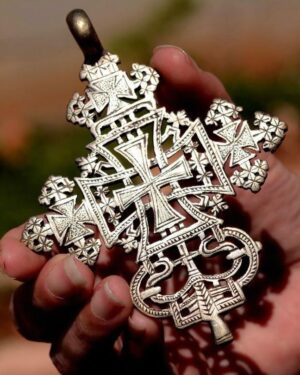
Intricately designed crosses rooted in Ethiopia’s ancient Christian tradition. Each design features elaborate latticework and symbolic geometry. Worn as pendants, they represent faith, protection, and identity. Often handcrafted by skilled artisans using traditional techniques. They stand as both spiritual objects and works of fine metal art.